Visit the beaches of Florida at the right time of year and you just might see one on its annual migration. Arching frown, bald-headed, mottle-skinned, slow-moving, and needing help to get back on its feet. And if he’s lucky, he might even see a turtle.
With long stern faces, leathery-looking skin and toothless beaks for mouths, sea turtles look a lot like the cutest possible version of your aging grandpa. But unlike that old fart, legend has it that age has no effect on sea turtles.
Wait, what?
Are Turtles Immortal?
With people, aging is clear. You’re born cute and over time, it gets worse. Our whole lives, we’re visually aging. Baby, toddler, teen, young adult, adult, middle age, old and gross. But with turtles, they go egg, baby, adolescent, adult. And no matter how long they live, they stay adult.

If Benjamin Button was based on a particularly old turtle, it would be a boring movie almost the entire time. Also, it would star Woody Allen instead of Brad Pitt.
Throughout our entire lives, humans show signs of biological aging. This is senescence - the gradual deterioration of functional characteristics. Our vision gets worse, our sense of taste starts to fade, cheese plates become central to parties, and our knees hurt.
Thanks a lot, senescence.
For years, it was believed that some turtles had no senescence. They hit maturity and that’s it for aging. As a result, many people believed that turtles could live indefinitely.
Enter Negligeable Senescence
Negligible senescence describes an organism that does not show signs of mortality upon reaching maturity. Or more simply, once they become adults, they stop showing signs of biological aging.
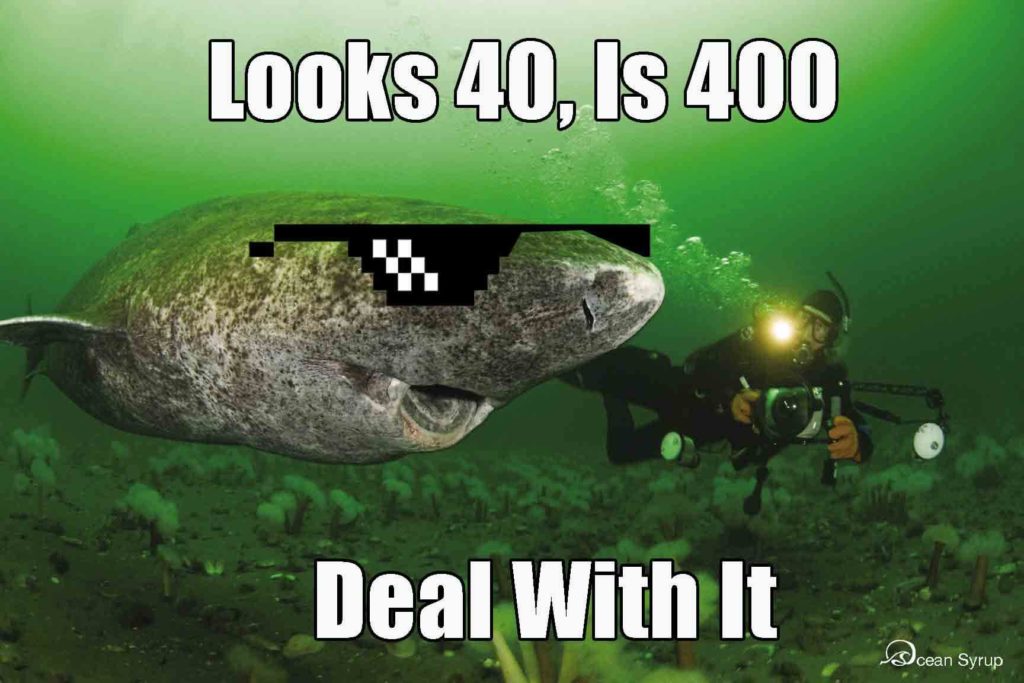
Although negligible senescence (NS) doesn’t show signs of the effects of age and time, it doesn’t necessarily mean that NS organisms are immortal. That being said, it does seem to correlate with long lives. Greenland sharks can live to at least 400 years, some tortoises can live to 255 years, and a 507 Ocean Quahog clam has been discovered.
A notable exception is the hydra genus. Coming from the same phylum as the jellyfish, some hydras appear to be biologically immortal. These small, predatory organisms have a Wolverine-esque regenerative ability that means not only do they can avoid or even reverse aging to some degree. Although they can die, hydras do not die of old age.
There does remain some controversy over whether they are truly non-senescent or that their senescence has simply not been documented yet. With potentially eternal lifespans, it’s not something we’re likely to say with 100% certainty anytime soon.
Whether or not completely non-senescent organisms exist, negligible senescence has clear advantages. Not only do NS organisms not show visible signs of aging, but age also has no impact on their physical fitness.
Are Turtles Negligably Senescent?
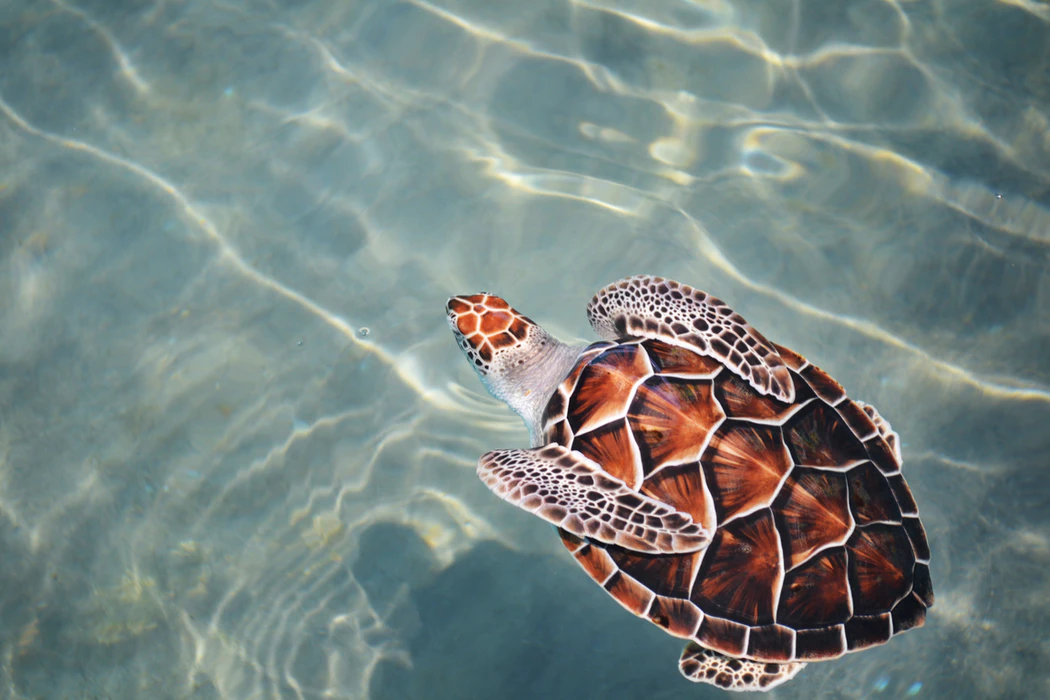
Tortoises are famous for their old age, and many are believed to exhibit negligible senescence. Until recently, this was also thought to be true of tortoises. However, as slow as turtles are to age, we have begun to see signs of aging in captive and wild turtles.
We know now that turtles do age, just so slowly that it is hard to observe. With long lives and difficult to detect aging, low-senescence animals like turtles are hard to distinguish from NS organisms. A 2016 study that first identified the senescence of painted turtles required decades of data.
How do Senior Turtles Differ From Young Adult Turtles?
The main observable difference is that with age, they start to lose their physical fitness. They get slower, lose agility, and reminisce about how hatchlings used to have more respect back when they were kids.
With their aging already hard to detect, this loss of physical fitness also makes them easier prey. Coupled together with their longevity, and it’s uncommon for wild turtles to die of old age. This is part of what makes their senescence so hard to detect and also contributes to the myth of turtle immortality.
Even though these hard-shelled seniors may not have the impressive karate-chopping turtle action of their younger selves, they hold special importance in the survival of their species.
Unlike humans, turtle fertility doesn’t peak in their youth. Older turtles lay eggs more often and lay larger eggs when they do. That means not only do they produce more hatchlings, but their hatchlings have a greater survivability rate.
Turtles that live longer also tend to have better genes. That makes these old turtles and their larger, more frequent egg-laying even more significant. By continuing to pass on their stronger genetics, they help to strengthen the turtle population as a whole.
This makes pollutants like mercury and microplastics extra concerning. They build up in animals over time, shortening their lifespans and/or affecting their reproductivity. That means fewer older turtles, which means a drastic reduction in population and genetic potential. As powerful as images of turtles with their heads trapped in plastic pack rings can be, the real threat to the species is the plastic trapped inside the turtle.
So Why Do Turtles Look Like Grandpas?
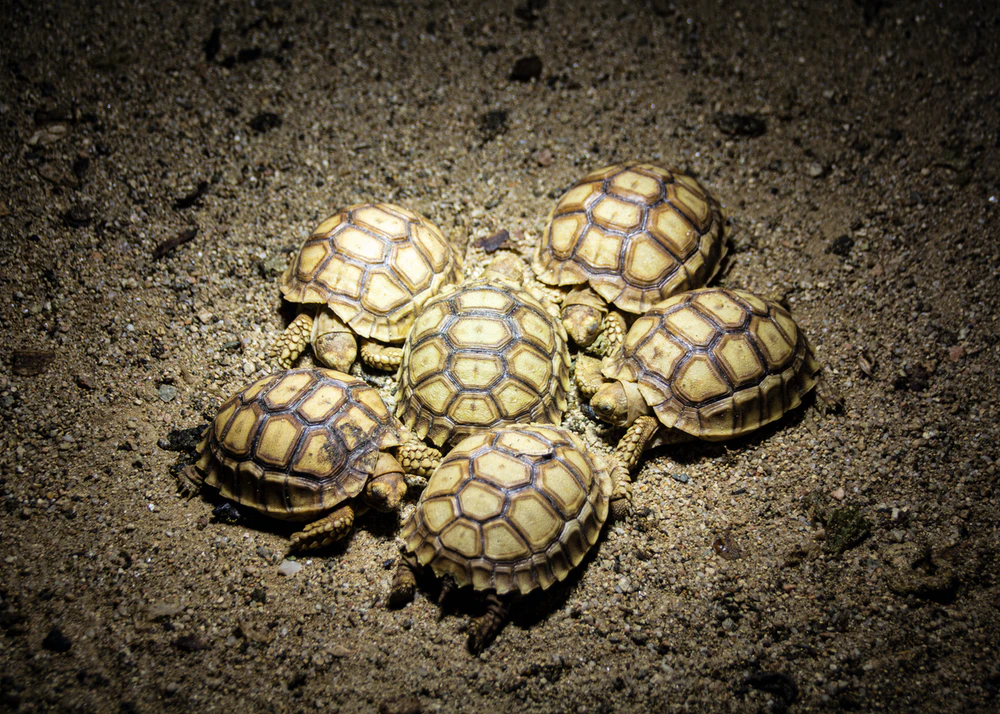
They don’t, your grandpa looks like a turtle. With age, your skin loses volume and your facial structure becomes less defined. Throw in hair loss, and you’re encroaching on turtle territory. Part of the wisdom of old age is that we realize how turtles have really got life figured out.
We don’t just copy how they look, we also emulate their activities. Physical exercise? Swimming is a lot easier on aging joints. Hobbies? Falling asleep in a sunbeam.
In short, turtles know how to live. Old people look like turtles because they’ve figured out that if you have to age, it’s best to age like a turtle.


